The atelier's blog

We write down what the craft teaches.

Craft notes, the decisions behind material and finish, and the road an idea travels until it becomes a finished piece.

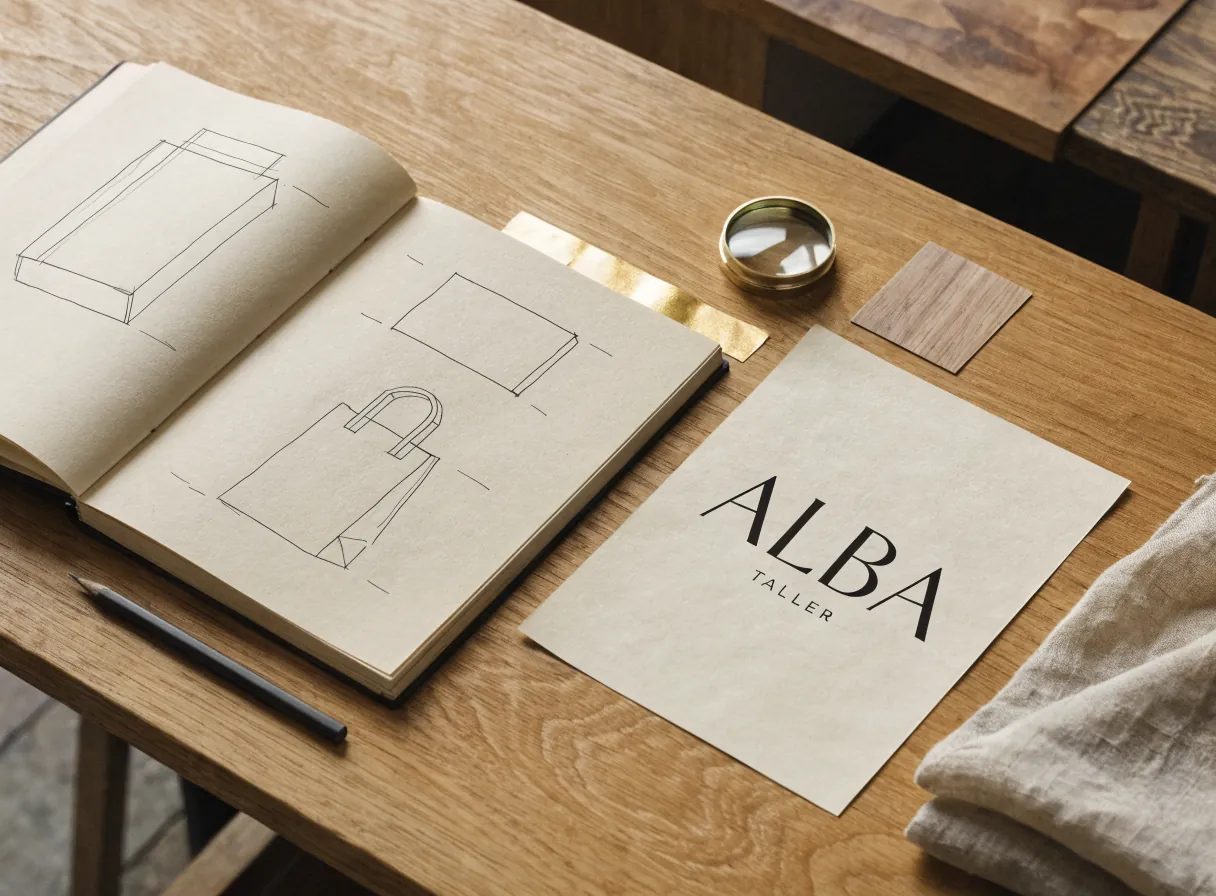
On an oak table, an open notebook with three pencil sketches of a box, a card and a paper bag, beside a printed sheet carrying the ALBA TALLER mark, a brass magnifier, a strip of gold foil and a square of nogal veneer, the Mexican walnut

What we have published

Thirteen entries, each signed by the person who wrote it.

Israel Najera

Why a gold foil comes out with raw dots

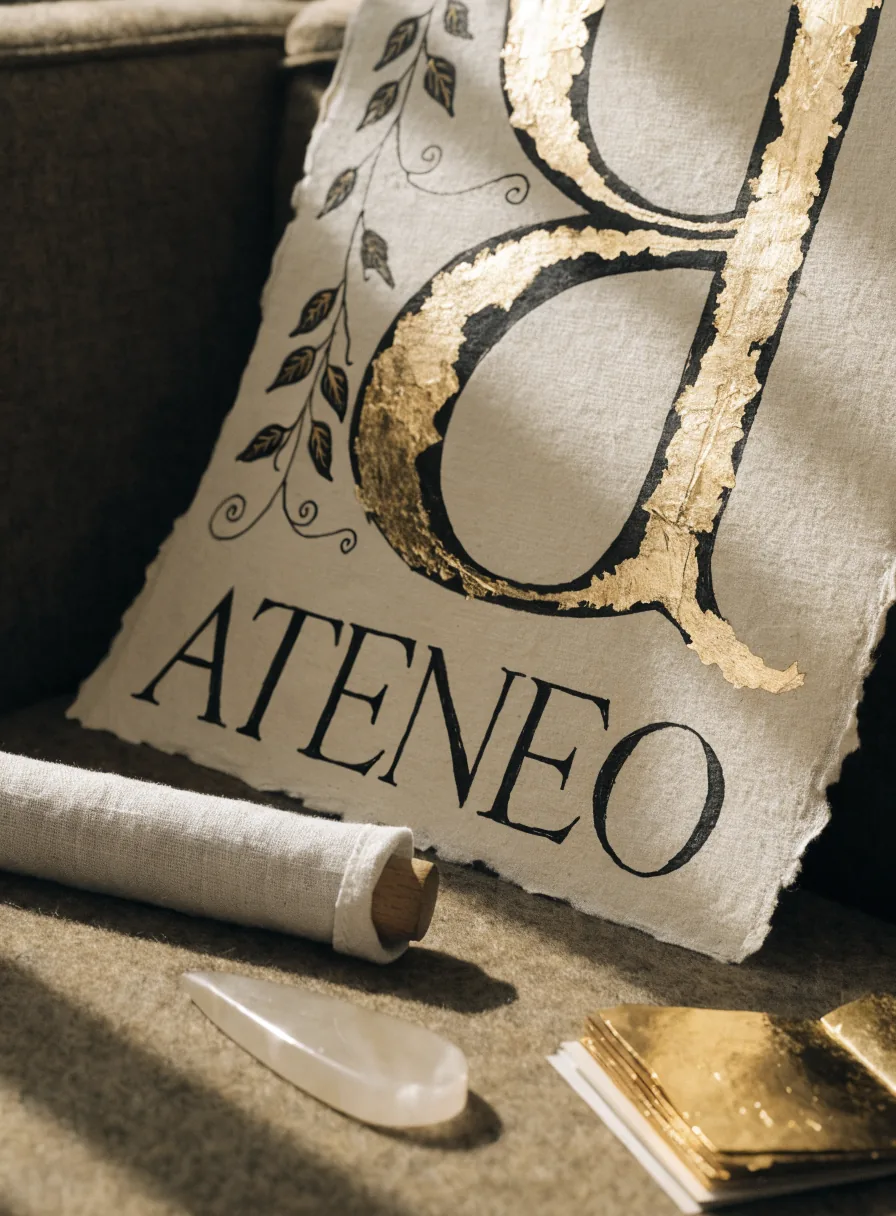
The same strike from the same die closes to a mirror on one leather and leaves a constellation of dots on another. The difference lives in the pore of the hide and in the crossing of threads in the cloth, and a fingernail reads it long before the press is switched on.
Read the entry

Israel Najera

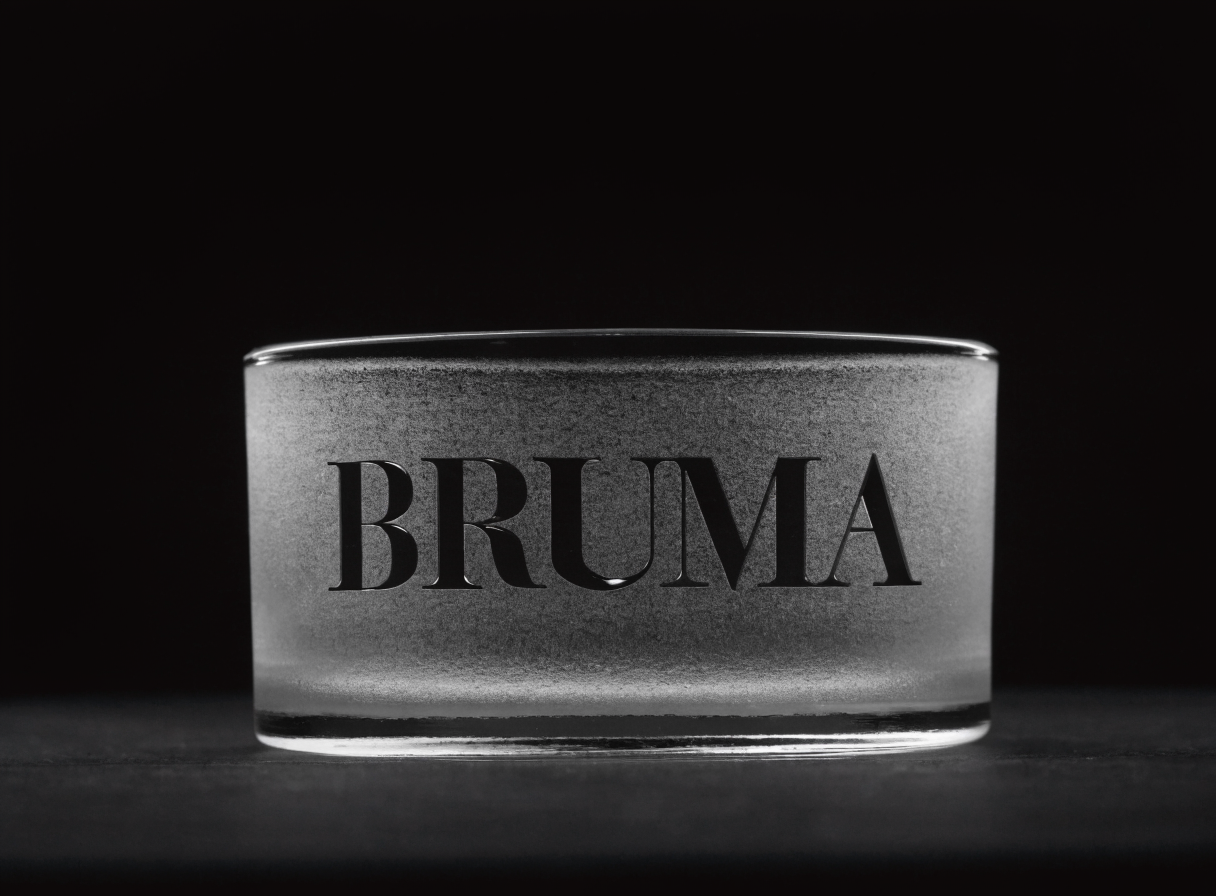
Two ways to put a name on a glass tumbler

Positive sandblasting opens the letter to the abrasive and reserve sandblasting opens everything around it. Each one calls for a mask cut the inverse of the other, and the geometry of the glass decides which of the two holds up around the curve.

Israel Najera

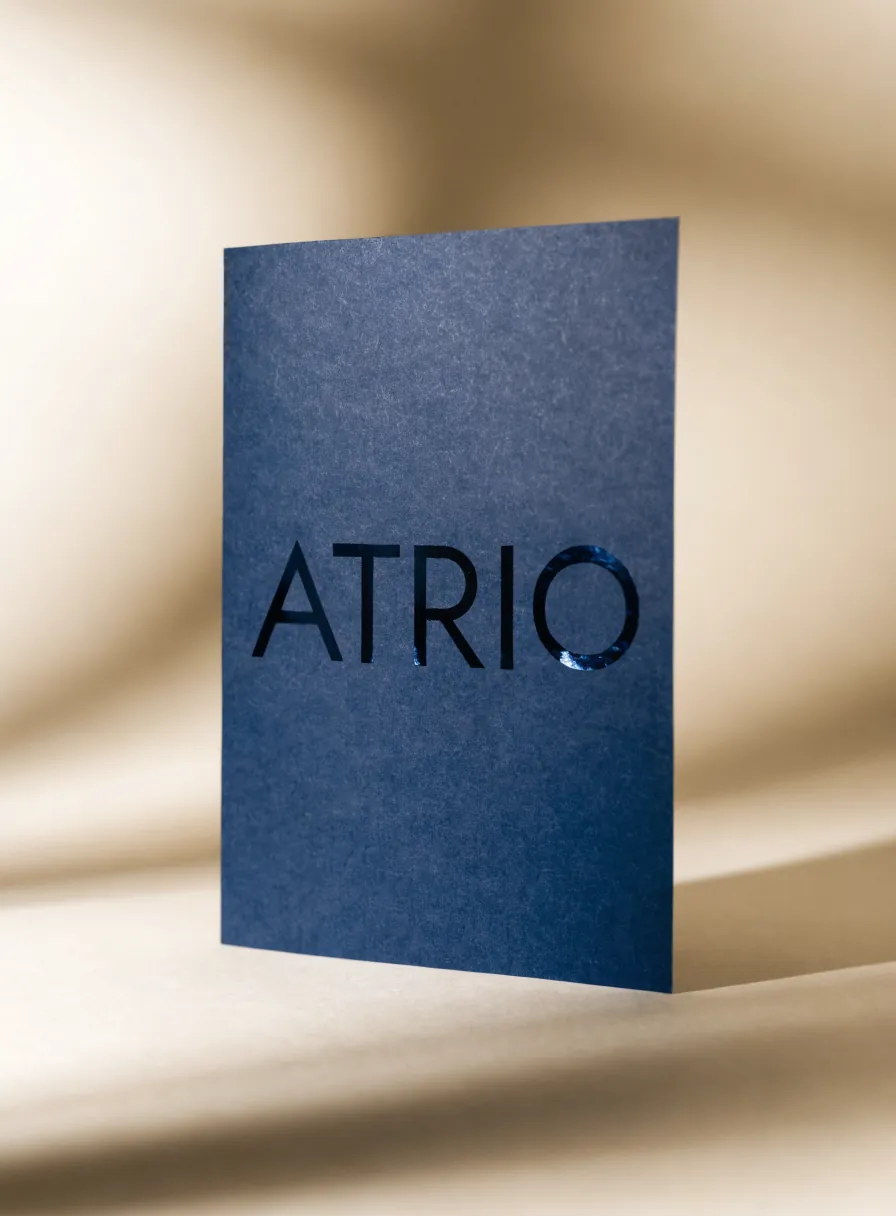
Spot UV varnish, gloss as the only ink

The same card goes quiet under a ceiling light and lights up under a band of sun. That behavior has a physical explanation, and out of it come the calls on paper, on paper weight, on line thickness and on review that make a registered varnish look the way you imagined it.

Israel Najera

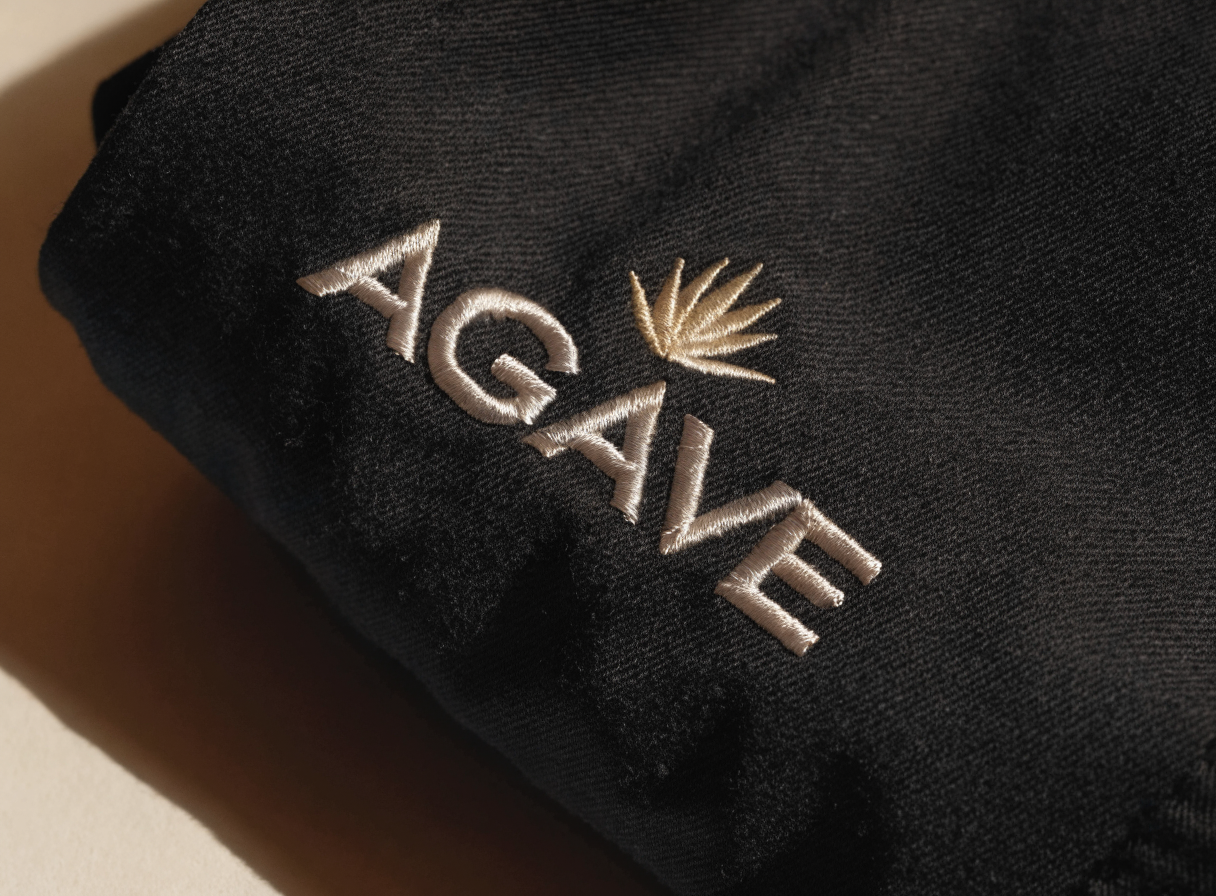
Why embroidery puckers

Puckering is the failure most often recorded across our embroidery cards, and it is settled before the machine starts. Here is what to look at in the digitizing, in the backing and in the physical sample so the garment hangs flat.

Israel Najera

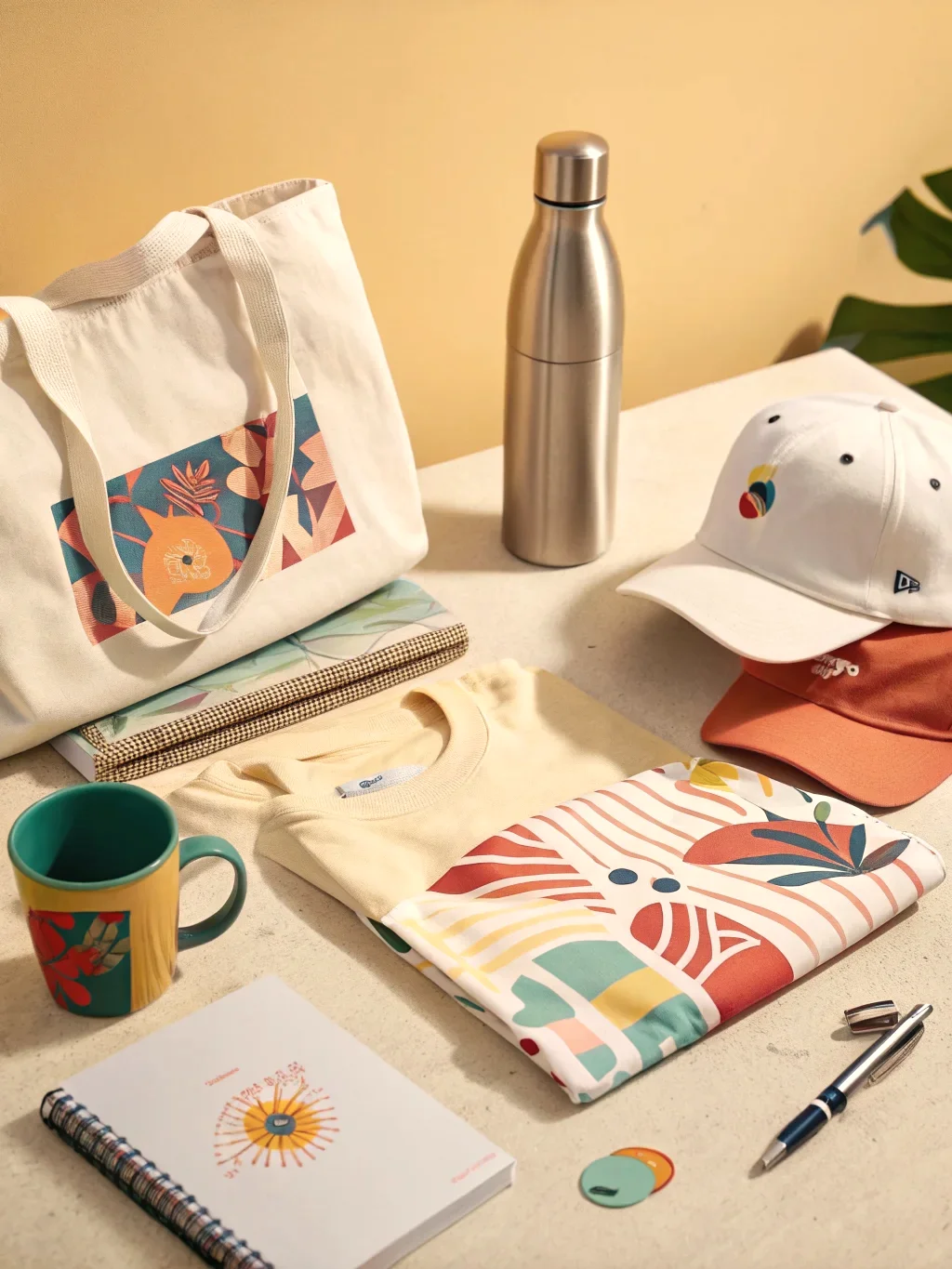
Eleven steps and ten workshops for a single kit

The table reads as one family and the route behind it crosses ten trades. Color lives in a different place inside each one, and that is where a set drifts out of step.

Israel Najera

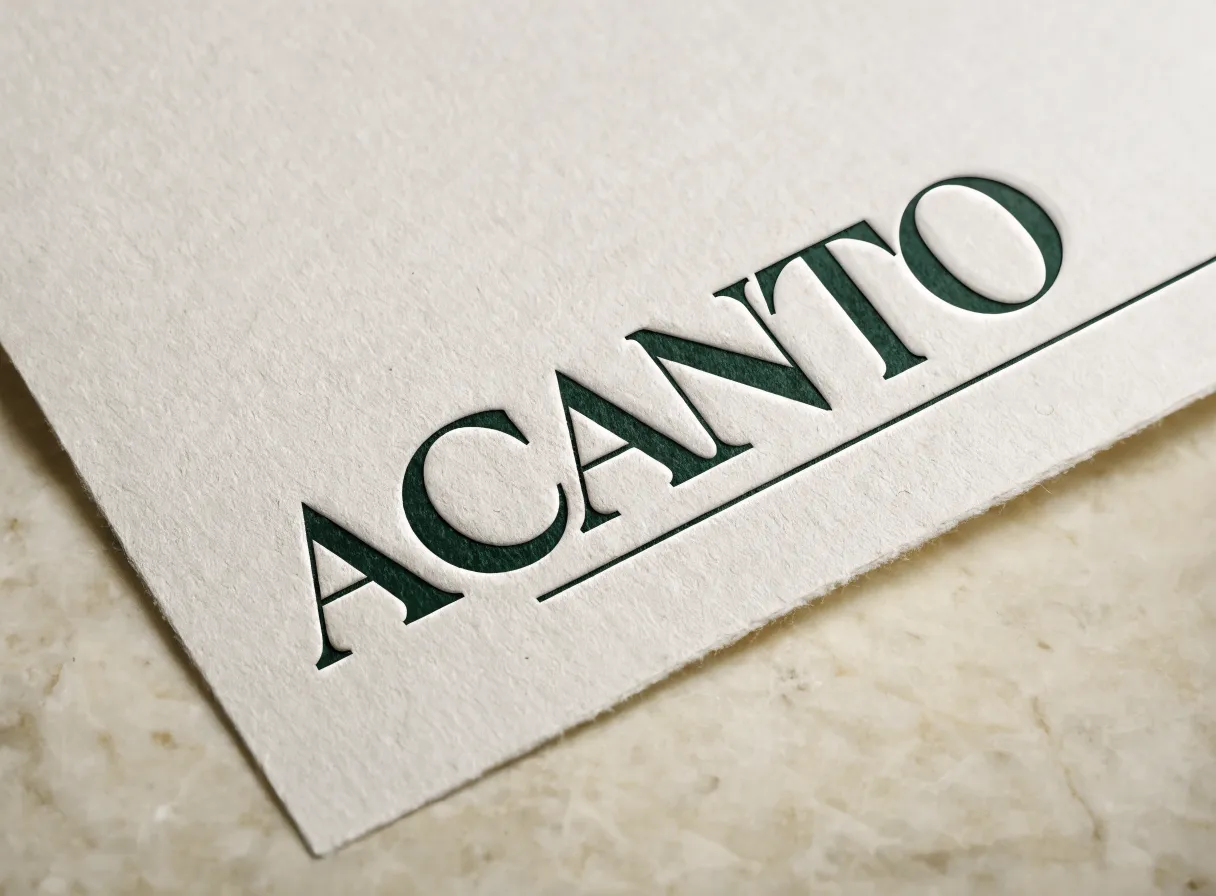
The paper decides how deep letterpress bites

The depth of the impression is negotiated with the fiber, and the real limit lives on the back of the sheet. Of the 99 routes in our bank whose technique names letterpress or typography, 18 record that spot as the point where the piece breaks.

Israel Najera

Screen printing, DTG and sublimation by fabric type

The fabric underneath decides the technique before the artwork does. Mesh, white underbase and substrate reserve explain why the same file changes route with the fiber, and the Atelier's card bank shows where each capability is installed.

Israel Najera

Wood grain changes the very same laser pass

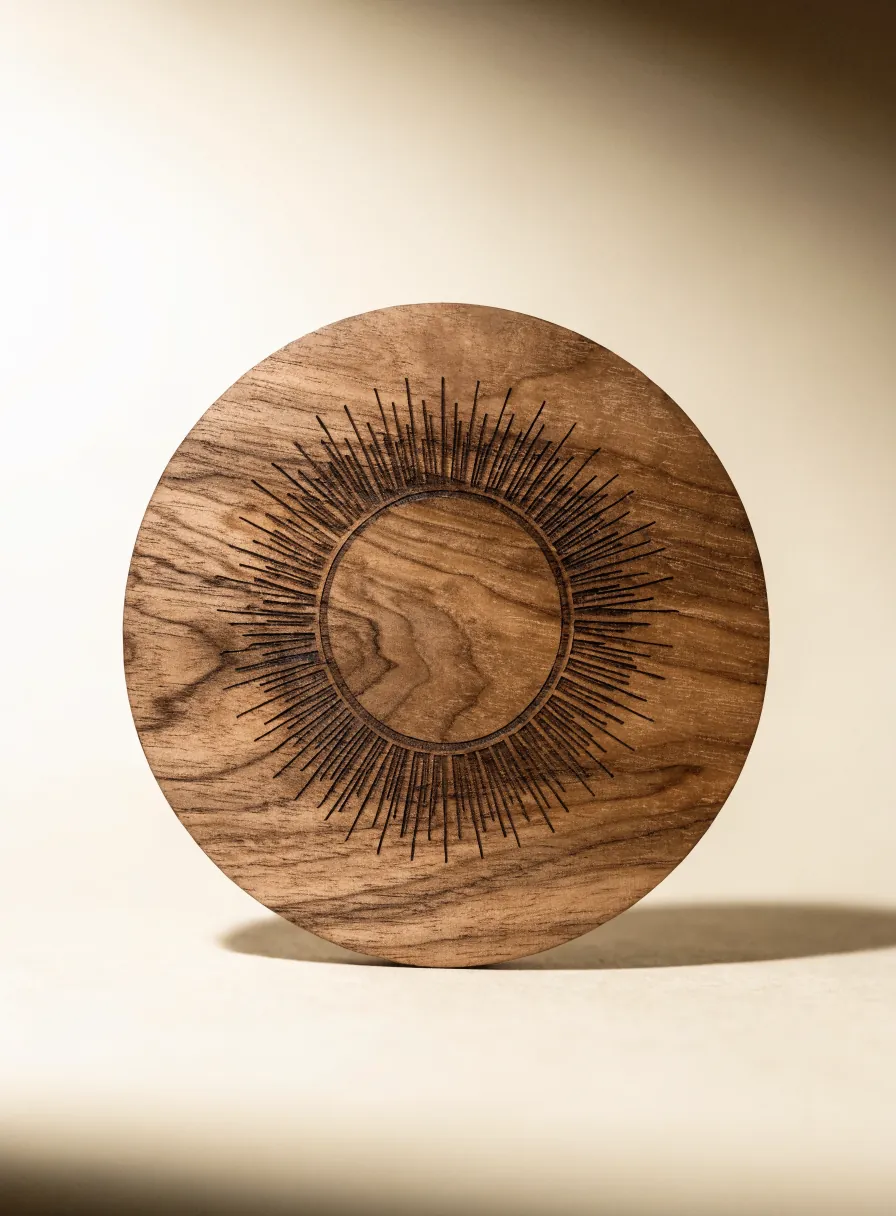
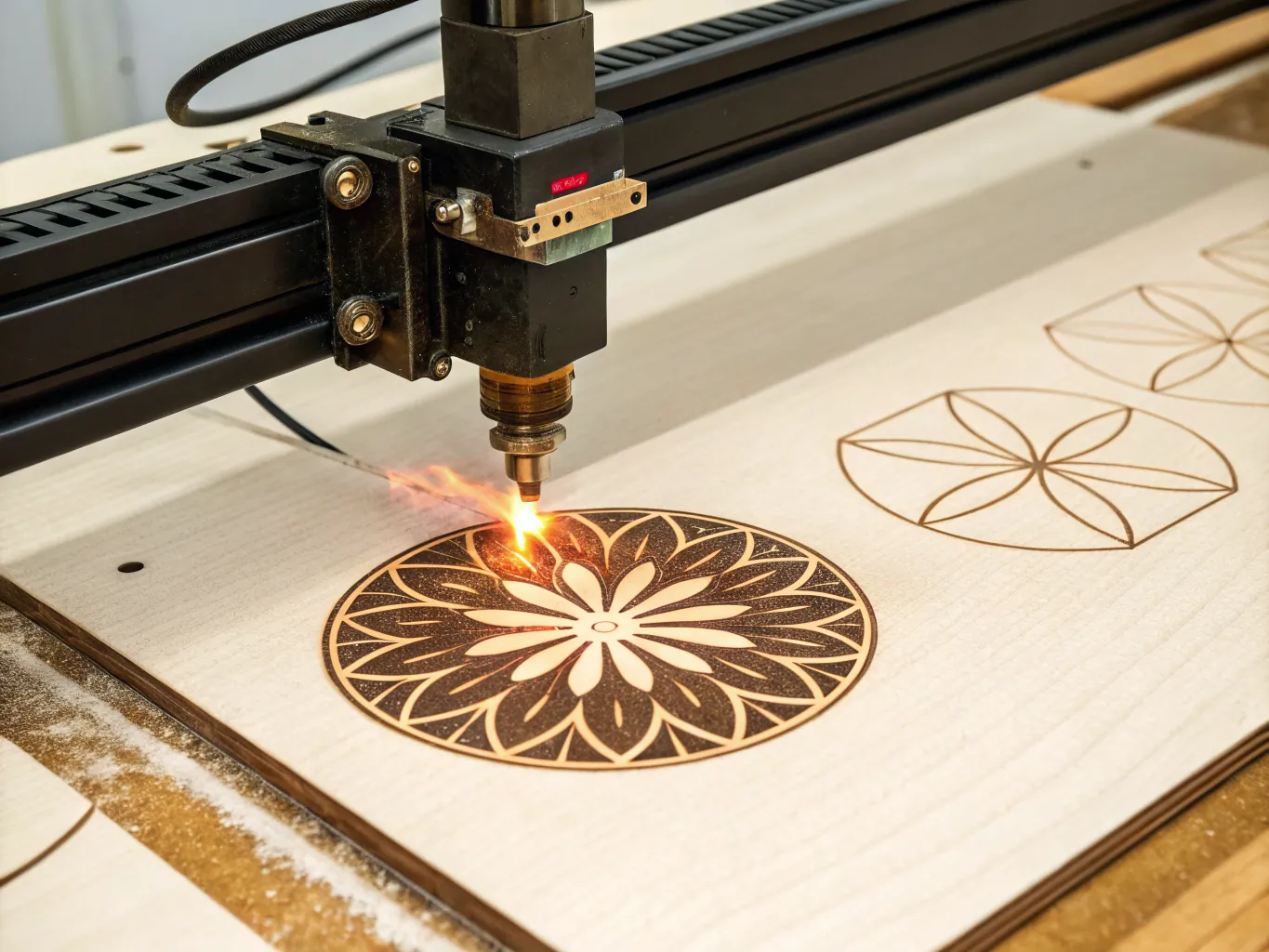
Two discs cut from the same board come out engraved differently, and the cause is written in the growth ring of the tree. Here is why it happens, what the production card bank says, and what to ask for so the line bites clean, free of craters and brown halo.

Alfredo Guillén

The step that closes a piece almost never appears in the brief

In 805 of the 1,291 cards in the Atelier's bank the production route passes through a bench where someone works the piece one at a time. That line decides the finish, and it usually sits outside the opening conversation.

Alfredo Guillén

The scarcest step runs the conversation

Every piece is a chain of linked workshops, and that chain moves at the pace of its scarcest link. Here is how to find that link in your own piece and what to ask it before you close the artwork.

Abraham Cortés

What a machine needs to read in your AI image

A file generated with artificial intelligence looks resolved on screen. What a workshop reads in it is geometry, and that is where the presence the piece carries into someone's hands is decided.

Abraham Cortés

The card that teaches the model to assemble the route

A corporate piece travels through several workshops before it exists. We wrote one thousand two hundred and ninety one cards on the same schema so a system can compose that full route, name the step that governs the calendar, and mark the point where the decision returns to a pair of human eyes.

The cadence

We publish when the workshop leaves us something worth telling.

It opened in July 2026. Every entry comes out of real work and carries its material, its finish and the workshop decisions behind it.

Do you have an idea in mind?

Tell us what you imagine and who it is for. We listen first, and from there we create it with you until you hold it in your hands.

Tell us your idea