The journey of a design born in AI into the physical world
An idea is born in seconds. Turning it into something you can hold asks for another set of decisions, and that is where the craft begins.
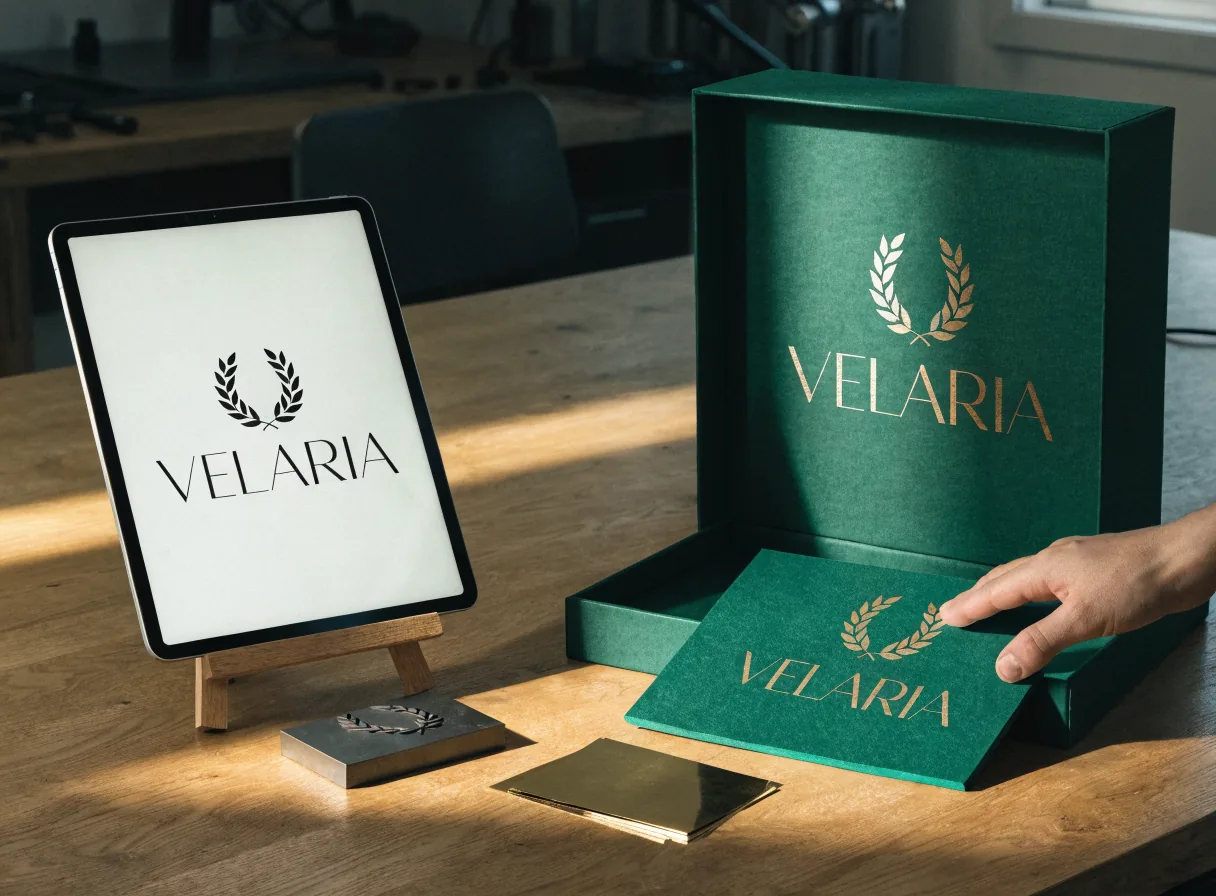
A design created with artificial intelligence becomes a physical piece through three decisions. First the material, which shapes almost everything the piece will become, whether cotton, ceramic, glass or wood. Then the finish, which gives it character through foil, engraving, letterpress or embossing. Last, a hand with craft decides what honors the idea and when the piece is ready.
An idea can be born in seconds. You describe what you imagine, artificial intelligence hands back an image, and suddenly you are looking at something that lived only in your head a moment ago. That first spark is beautiful, and it is barely the start of the journey.
These ideas reach us every day, as a sketch generated with AI, a saved reference or an image someone loved enough to want it in their hands. Our craft begins right there, at the moment an image has to learn how to exist in the physical world.
From pixel to matter
An image on a screen lives on light. When it arrives at the atelier, the first question is what it will be made of, because the material shapes almost everything the piece will become.
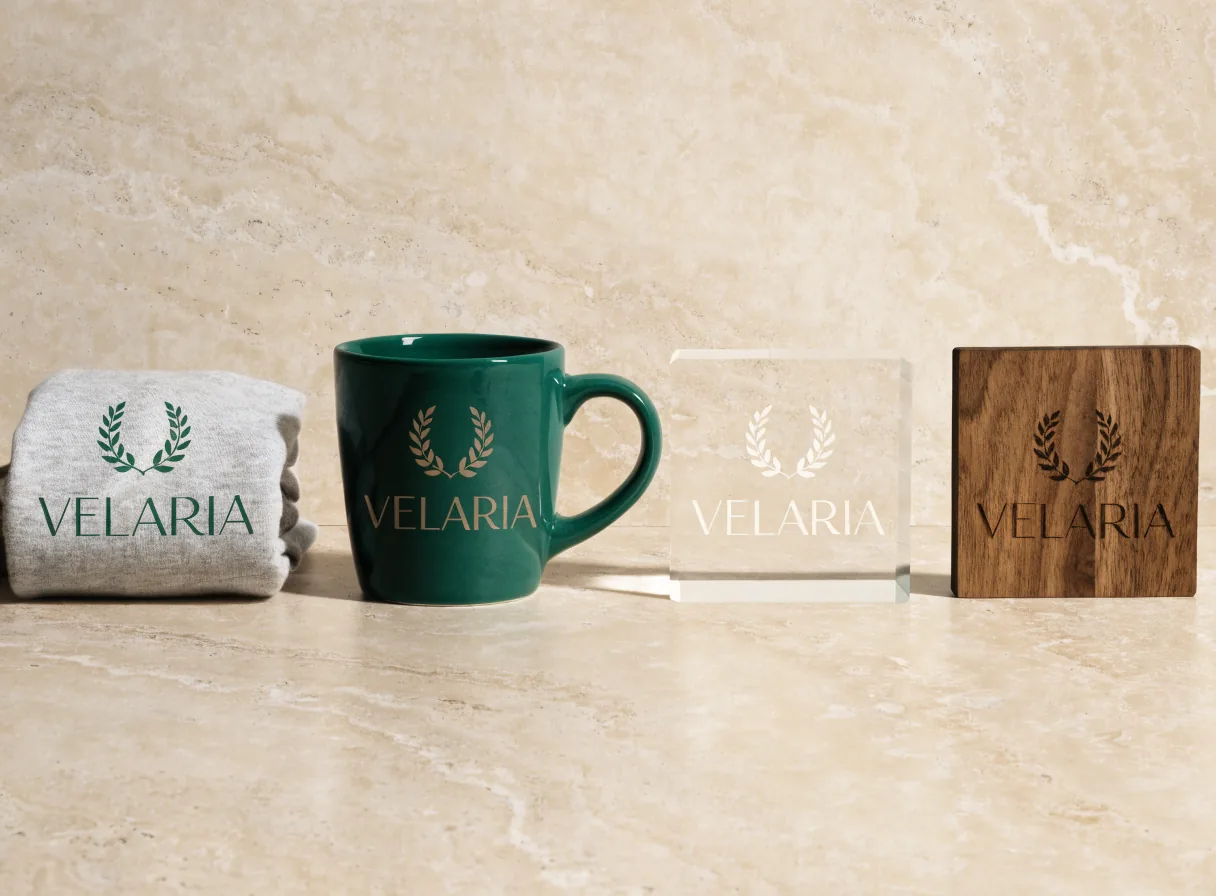
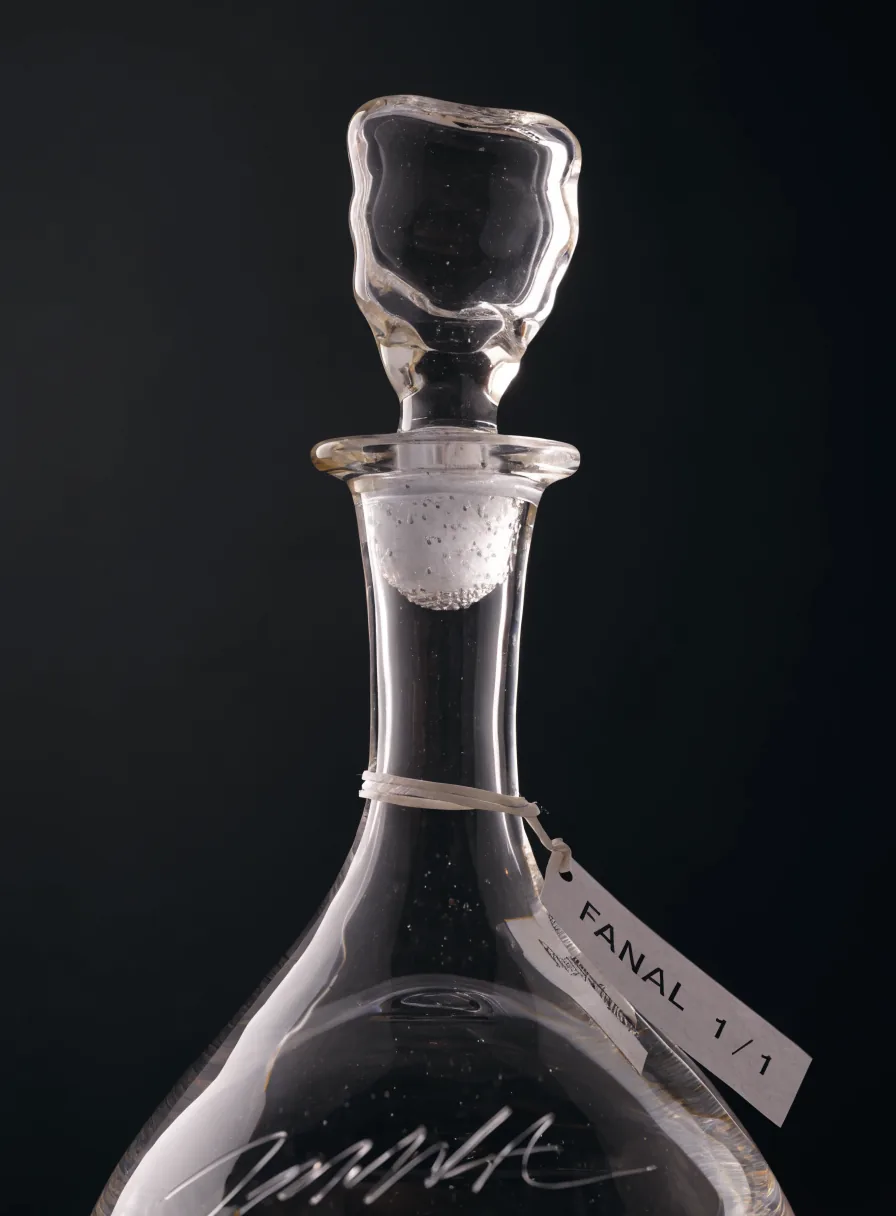
The same design feels different on combed cotton, where the ink settles soft and the garment falls with body; on ceramic, where the glaze holds the color under a layer of glass; on glass, where light enters and the engraving appears from within; or on wood, which adds its grain and its scent to the piece. Choosing the material is the first translation of the journey, because we take an idea made of light and find it a body that does it justice.
An image that looked perfect on screen often asks for adjustments to live at full size. The line has to survive the engraving. The contrast has to work on a glossy surface. The type has to read at arm's length. That quiet fine tuning is part of the journey, and it holds the piece up outside the screen.
The finish gives it character
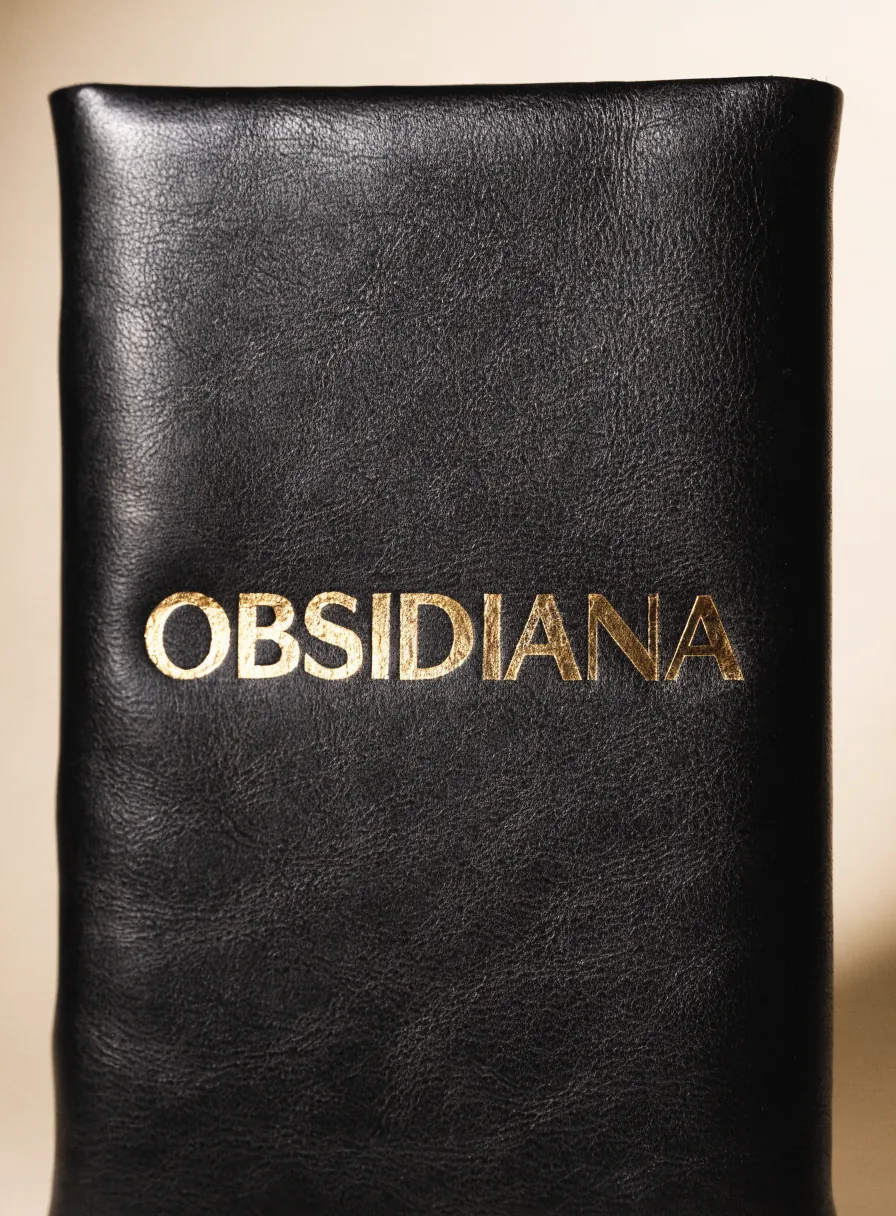
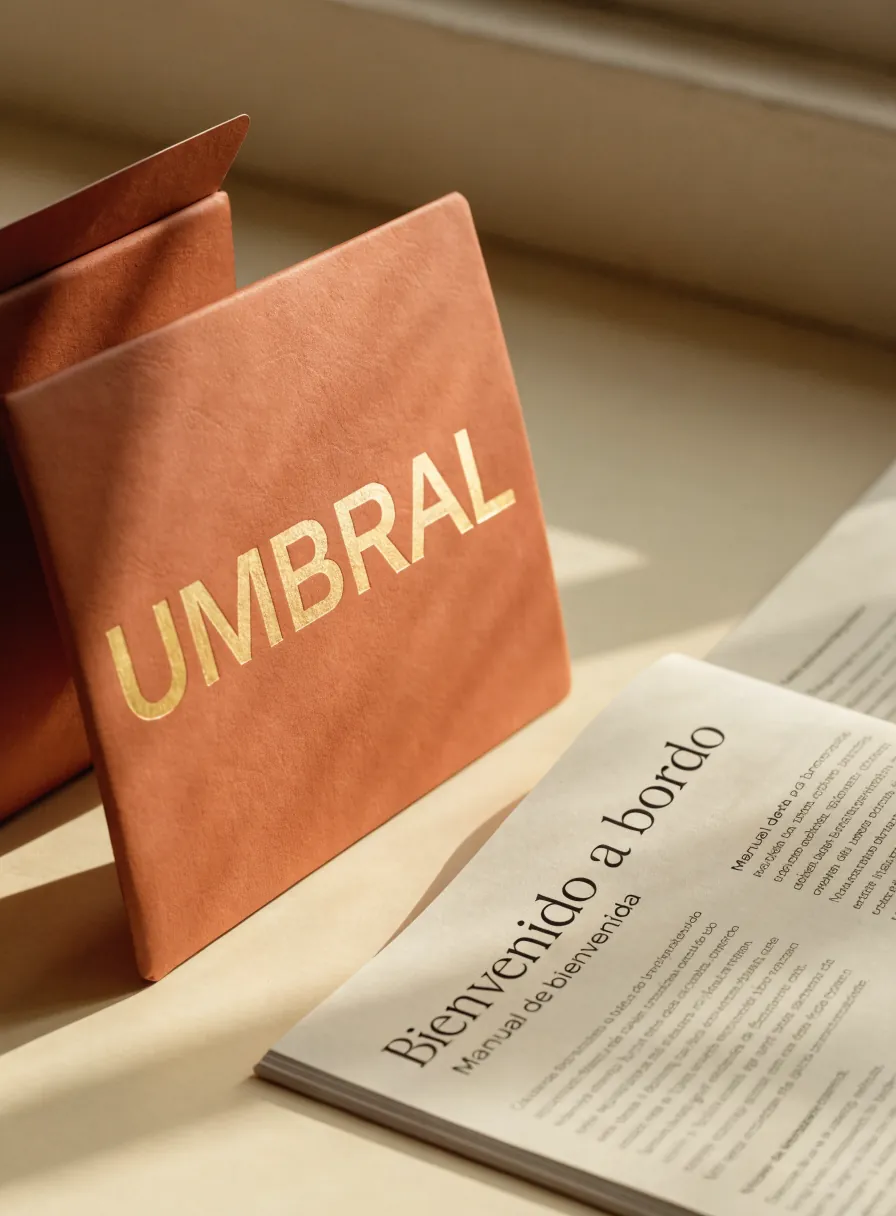
Then comes the finish, where a piece finds its personality. Gold foil catches the light and makes a name shine as you move it. An engraving leaves a real mark in the surface, something the fingers recognize before the eyes do. Letterpress presses the ink into the paper and leaves a furrow you follow with a fingertip. An emboss lifts the design, a colored edge frames the border, a special ink shifts with the way the light strikes it.
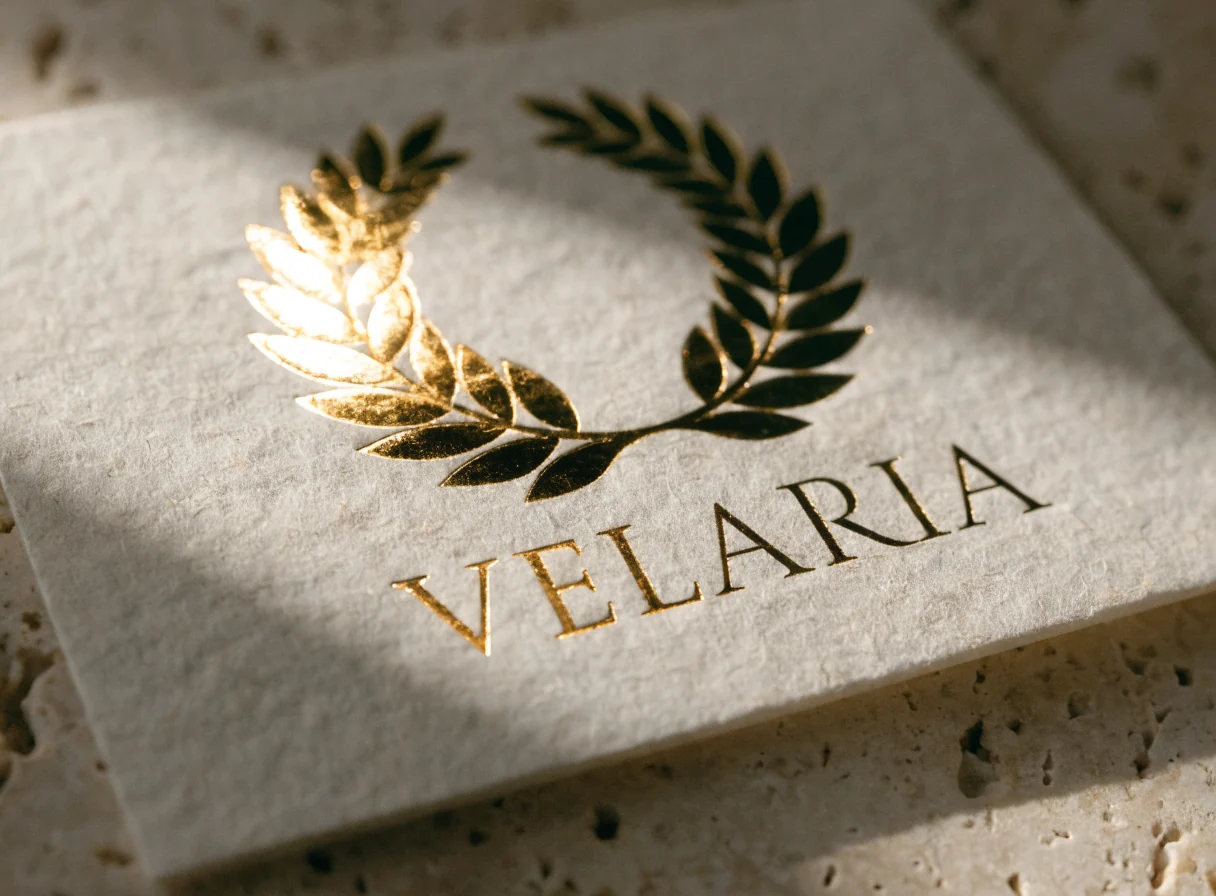
This is where many designs born in digital truly find out who they are. A flat image on a screen becomes a card people keep, a package that is a pleasure to open, a plaque someone will look at for years. The finish takes the intention of the design and turns it into something you can touch, so we treat it as a decision of craft. You can see how one object changes completely according to its finish in the techniques and finishes explorer.
The human hand is the highest grade of what we do.
The hand decides
Artificial intelligence is a splendid companion for imagining. It proposes fast, tests paths and opens possibilities you might not have seen. One moment of the journey stays entirely human, the moment of deciding.
Deciding which material honors the idea. Deciding which finish gives it soul and keeps it serene. Deciding when a piece is ready and when it still wants a detail almost nobody would notice. Those decisions come from hands that have made thousands of pieces, hands that know how every ink and every surface behaves, hands that know when a gold reads elegant and when it asks for restraint. At imprecxo the technology speeds the path and the person answers for the result.
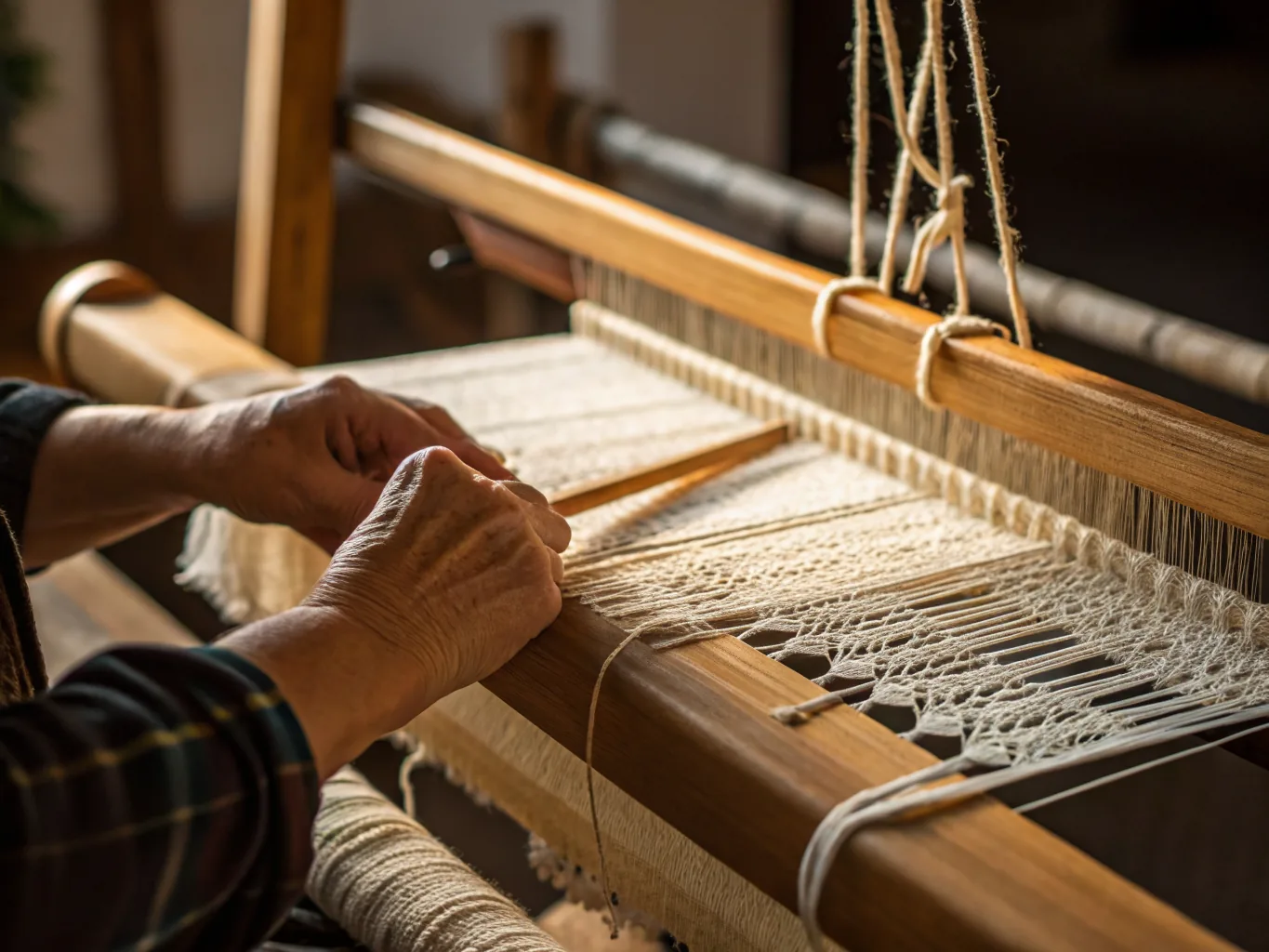
That care becomes even more visible when a piece is made entirely by hand. A loom, a carving in wood, a piece in marble, there the journey from the imagined to the physical passes through fingers that adjust, correct and sign every detail. That lives in Ánima, where the handwork is the piece.
The journey ends in your hands
A design born in AI can leave the screen and become real. With the right material, the right finish and a hand that decides, that idea learns to exist for real. You can hold it, give it away, keep it. That is the journey we most love to accompany, the one that runs from an imagined spark to a finished piece that reaches someone's hands.
If you have an idea, even one that exists only as a saved image, we can give it a body with you. Tell us what you imagine and let us start its journey.
Follow the thread
Three doors to carry the journey forward.
Have you imagined yours yet?
Tell us what you imagine and who it is for. We listen first, and from there we create it with you until you are holding it.